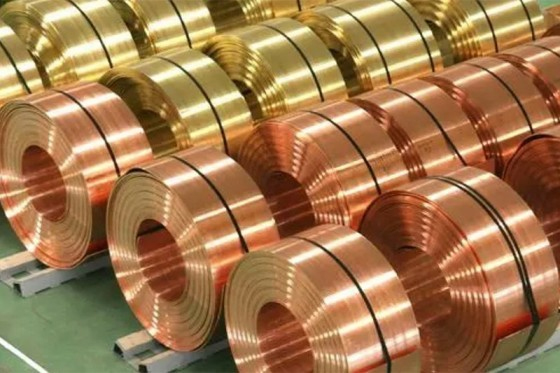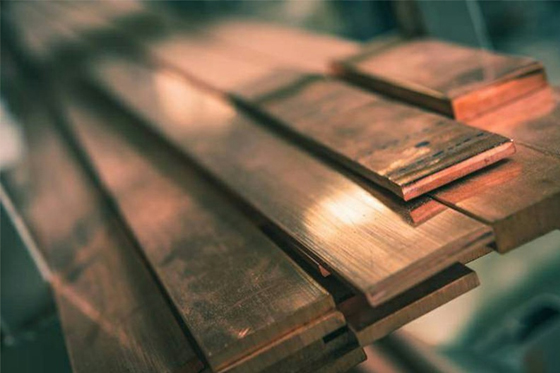
Copper is the earliest metal used by humans. As early as prehistoric times, people began mining open-pit copper mines and using the obtained copper to manufacture weapons, tools, and other utensils.
With the development of production, using only production tools made of natural copper is no longer sufficient, and the development of production has prompted people to find ways to obtain copper from copper mines. Copper containing minerals are relatively common, mostly with bright and eye-catching colors, such as golden chalcopyrite (copper iron sulfide), bright green malachite, deep blue malachite, etc. After roasting these ores in the air, copper oxide is formed, which is then reduced with carbon to obtain metallic copper.
Objects made of pure copper are too soft and prone to bending. People have discovered that by mixing tin into copper, a copper tin alloy - bronze - can be made. Bronze is a great invention in human history and also the earliest alloy in the history of metal smelting and casting. After the invention of bronze, it immediately became popular, and from then on, human history entered a new stage - the Bronze Age.
As a representative of the most advanced metal smelting and casting technology at that time, bronze was mainly used in sacrificial rituals and warfare. The bronze artifacts discovered in the Xia, Shang, and Zhou dynasties were all used as ceremonial utensils, weapons, and accessories around the two, which distinguishes them from bronze artifacts in various countries around the world and forms a bronze cultural system with traditional Chinese characteristics.
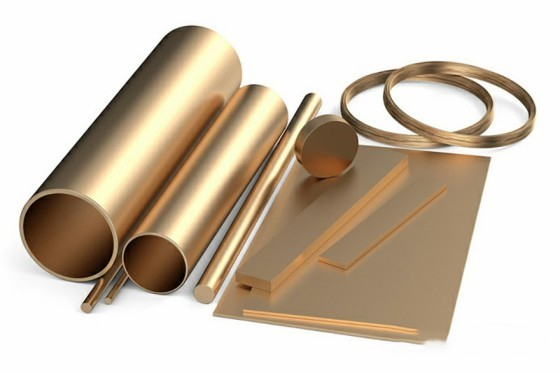
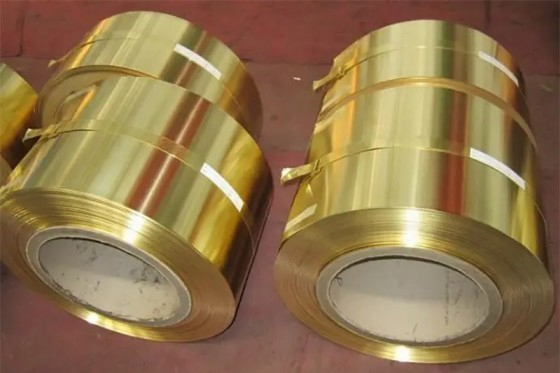
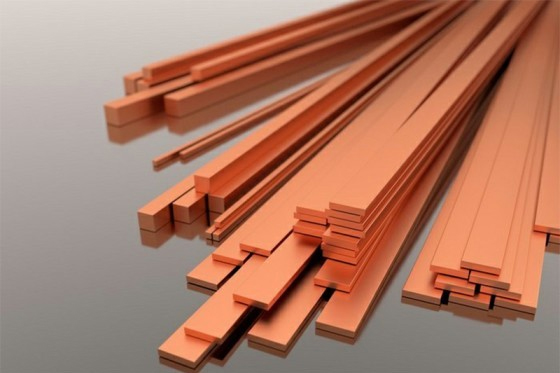
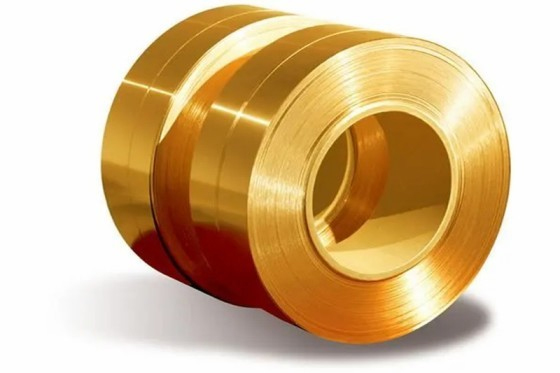
Copper is widely used in electrical, light industry, machinery manufacturing, construction industry, national defense industry and other fields, second only to aluminum in the consumption of non-ferrous metal materials in China. Copper is widely used and consumed in the electrical and electronic industries, accounting for over half of the total consumption. This type of switch and printed circuit board is used for various cables and wires, motors and transformers in the manufacturing of machinery and transportation vehicles. It is used to manufacture industrial valves and accessories, instruments, sliding bearings, molds, heat exchangers, and pumps.
Widely used in the chemical industry to manufacture vacuum cleaners, distillation pots, brewing pots, etc. In the national defense industry, it is used to manufacture bullets, shells, gun parts, etc. For every 3 million rounds of ammunition produced, 13-14 tons of copper are required.
In the construction industry, it is used as various pipes, pipe fittings, decorative devices, etc.
Copper has unique electrical conductivity that cannot be replaced by aluminum. In today's era of electronic industry and household appliance development, this ancient metal has regained its youth. Copper wires are being widely used. From the perspective of foreign products, the copper wire required for the electronic and electric accessories of an ordinary family sedan is up to 1 kilometer long. In France, high-speed train tracks use 10 tons of copper per kilometer, and copper accounts for 2% of the total weight of the Boeing 747-200 aircraft.
In recent decades, people have also discovered that copper has very good medical applications.
In the 1970s, Chinese medical inventors Liu Tongqing and Liu Tongle discovered that copper has extremely strong anti-cancer properties, and successfully developed the corresponding anti-cancer drug "Kecai 7851", which has achieved clinical success. Later, Mexican scientists also discovered that copper has anti-cancer properties.
Recently, British researchers have discovered that copper has a strong bactericidal effect. I believe that in the near future, copper will make a huge contribution to improving human health.