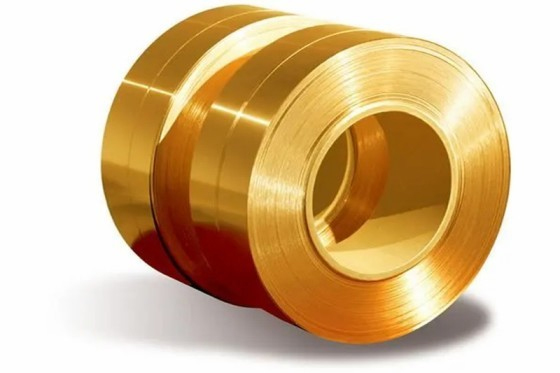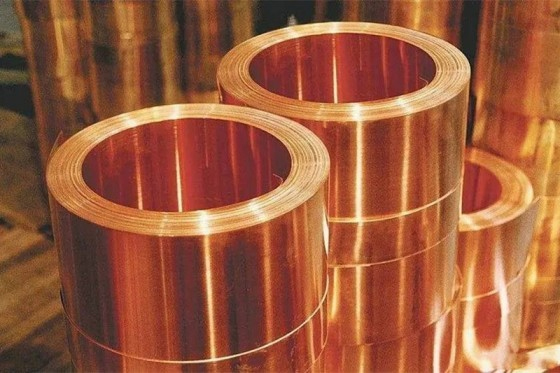
Why is there lead in bronze ware? The ancients did not only use copper to make copper, but also added tin or lead. The melting point of copper is very high, reaching 1083 degrees. At such high temperatures, when copper water is poured out, its fluidity is poor. It's like making rice cakes during the Chinese New Year, always sticking to the pot. After pouring it into the mold, it can't fill every place, and the resulting copper may be a hole here or there. After adding tin and lead, the melting point of copper is lowered, the fluidity is improved, and the copper ware is smooth and beautiful.
Another function of lead and tin is to increase the toughness of copper. Pure copper has good extensibility but insufficient hardness, while bronze swords are so thin and deadly because they contain tin.
Tin is volatile and cannot maintain the isotopic characteristics of the mining period. Therefore, Jin Zhengyao believes that lead isotopes have become an important tool for determining the origin of cultural relics. Any object containing lead can be determined using this method. Through the verification of lead isotopes, it can be found that the earliest glass in China came from the two river basins. In addition, uranium in ceramics also contains lead, which can be verified in the same way. In the verification of the authenticity of bronze ware, the verification of lead isotopes is equally useful.
In chemistry, lead is known as a "tracer" metal that can track objects like a tracker. Other similar metals include barium, which is commonly used in modern medicine to track stomach diseases with a "barium meal".
However, lead isotopes have a fatal weakness: once things from different origins are mixed together, the lead isotope measurement method becomes ineffective. The higher the ratio of lead isotopes, the more homogeneous the source, equivalent to coming from the same manufacturer, while a decrease in the ratio indicates a change in the amount of lead entering the sediment, or that some low ratio deposits, especially some super large deposits, produce lead isotope ratios that affect the entire world, "Zhang Gan said.
However, in the history after the Industrial Revolution, the method of using lead isotopes has basically become ineffective, as global industrialization and trade globalization have led to the mixing of all sources of lead. However, Zhang Gan believes that at the same time, the beginning of the Industrial Revolution can also be judged by the decrease in lead isotope ratios. For example, in their study, they found that China's Industrial Revolution was later than that of the West. The decrease in lead isotope ratios is a typical sign of the Industrial Revolution.